Flat Feet: Understanding Fallen Arches
Treatment and management options for flat feet and arch support.
What is flat foot?
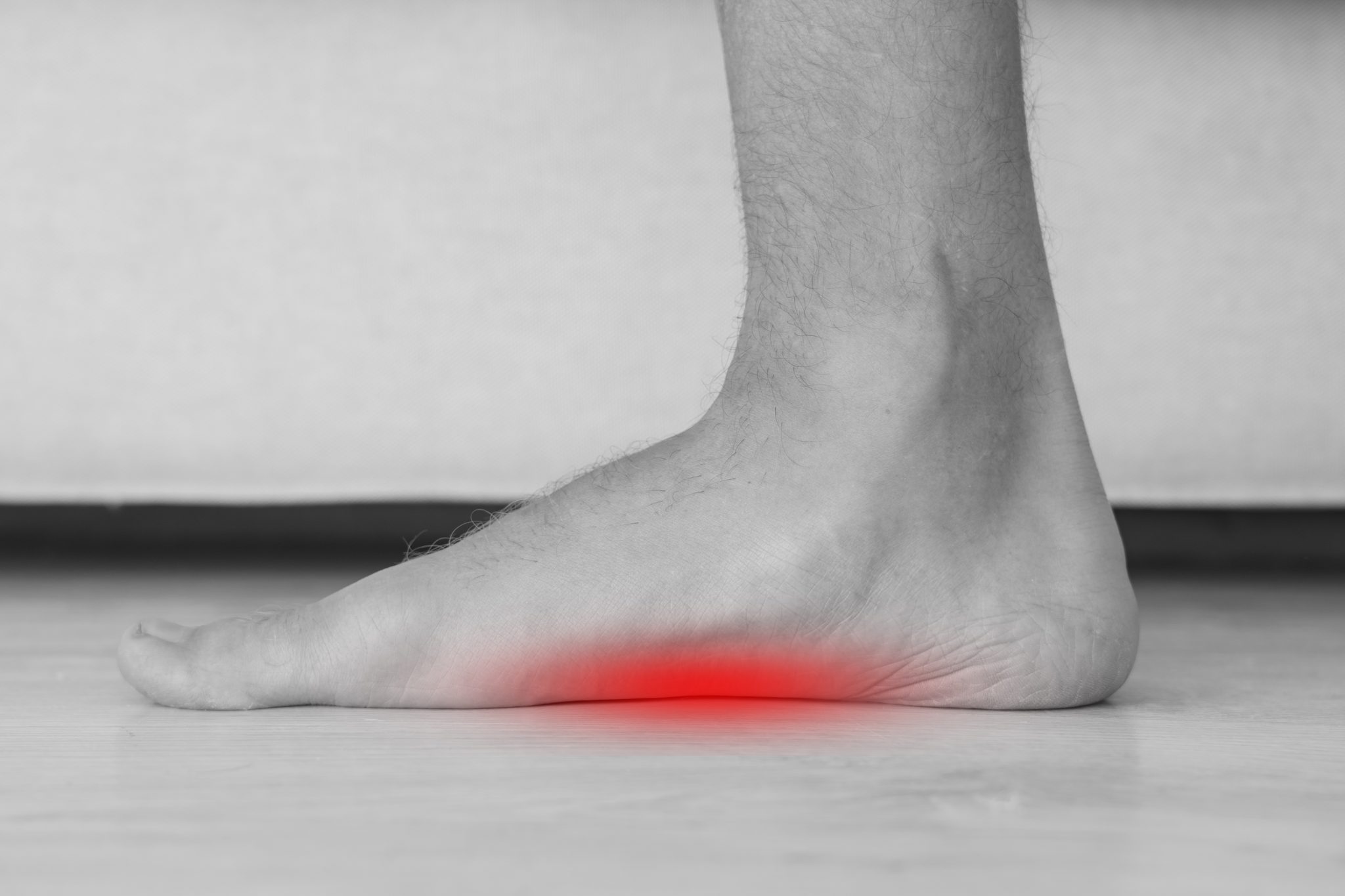
Flatfoot is often a complex disorder, with diverse symptoms and varying degrees of deformity and disability. There are several types of flatfoot, all of which have one characteristic in common: partial or total collapse (loss) of the arch.
Other characteristics of flatfoot:
“Toe drift” is a common characteristic of the flat foot. This is where the toes and front part of the foot point outward. The heel tilts toward the outside and the ankle appears to turn in. A tight Achilles tendon, which causes the heel to lift off the ground earlier when walking, may make the problem worse. Bunions and hammertoes may develop as a result of a flatfoot.
Causes of flatfeet:
- Foot or ankle injury
- Weak arches
- Genetics
- Loose connective tissue
- Certain conditions
Flexible flatfoot:
Flexible flatfoot is one of the most common types of flatfoot. It typically begins in childhood or adolescence and continues into adulthood. Flatfoot usually occurs in both feet and progresses in severity throughout the adult years. As the deformity worsens, the soft tissues (tendons and ligaments) of the arch may stretch or tear and can become inflamed.
The term “flexible” means that while the foot is flat when standing (weight-bearing), the arch returns when not standing.
Rigid Flat Foot:
A rigid flat foot is a result of either genetic malformation such as abnormal bone structure or tarsal coalition where bones are fused. Rigid flat foot also occurs due to osteoarthritis resulting in gradual stiffness of the flexible flat foot.
Flatfoot Symptoms:
Symptoms, which may occur in some persons with flexible flatfoot, include: Pain in the heel, arch, ankle, or along the outside of the foot “Rolled-in” ankle (over-pronation). Flatfoot can also cause pain along the shin bone (shin splint) and general aching or fatigue in the foot or leg and lower back, hip or knee pain.
Flatfoot diagnosis:
The first stage in diagnosing flatfoot will include a specialist examining the foot and observing how it looks when you stand and sit. The method of how your specialist diagnoses your flat feet may also depend on whether conservative treatment or surgical treatment is indicated.
Conservative treatment – Typically the first step would be to carry out a gait analysis for the provision of custom orthotics. The orthotics can help support the arch. Your flat feet may be causing other symptoms, such as knee and ankle pain. The orthotics will help stabilise and align your feet to aid these symptoms.
Surgical treatment – Should your specialist indicate that surgery may be the next step then X-rays will firstly be taken to examine the flat foot deformity. The most common procedure that our surgeon, Mr Kaser Nazir, recommends is the HyProCure procedure.
Flatfoot surgery:
The HyProCure procedure uses a stent and is a minimally invasive surgery. The procedure is always carried out one foot at a time.
The aim of the procedure is to realign the foot and correct the flat foot deformity. A small incision is made to the outer side of your foot/ ankle and the stent (HyProCure implant) is placed into the sinus tarsi.
You will need to rest for the first two weeks following the procedure, an Aircast boot is typically provided to mobilise from two weeks. Light exercise can start from six weeks following the procedure.
How to fix flat feet
The remedy for flat feet will depend on the type of flat foot you have. Sometimes surgery is required to fix flat feet. In this case a podiatric or orthopaedic surgeon will need to assess you to see whether it is necessary and what it involves.
Non-surgical options involve taking a look at your gait and assessing whether custom orthotics are required. These can help support your foot and reduce the flattening. Often stretches and strengthening exercises are needed in addition to the above.
Five best flat foot exercises at home
- Stretching calf muscles by lowering your heels off a step while holding on to the handrails. Hold this stretch for 30 seconds and repeat. Repeat this 3 times per day.
- Stretching calf muscles by placing one foot in front of the other, keeping your back leg straight and front leg bent at the knee. Lean towards a wall and you should feel the stretch in your calf muscle. Hold it for 30 seconds and repeat this on both legs twice. Repeat this routine three times per day.
- Going up onto tiptoes repeatedly (10 times+) and repeat three times daily
- Put a cloth on the ground and try to claw at it with your toes and pick it up. Try repeating this for 1 minute, repeating the routine three times per day.
- Roll a towel so it is long like a rope, or use a dressing gown belt. Sit down with your legs out straight and wrap the towel under your foot and pull your foot towards you. You should feel stretching in your calf muscle. Hold this for 30 seconds on each foot twice. Repeat the routine three times per day.
FAQ
Flat feet (pes planus) occur when the arch of the foot collapses, causing the sole of the foot to touch the ground when standing. This can be congenital or develop over time due to muscle weakness, ligament damage, or wear and tear.
Not everyone with flat feet experiences pain or problems. However, flat feet can contribute to pain, poor biomechanics, and increased injury risk. Many people benefit from supportive orthotics to improve foot function and prevent complications.