Hammertoe Surgery in London
Permanent correction of bent toes with expert surgery. Get relief from pain and restore normal foot function.
What Are Hammertoes and Why Are They So Painful?
A hammertoe is a permanent bend or deformity in one or more toes, usually affecting the middle joint. The toe becomes stuck in a claw-like position, causing the top of the toe to rub painfully against your shoe. What starts as a minor annoyance quickly becomes a serious problem that impacts every step you take.
The pain builds over time. You start avoiding certain shoes. Then certain activities. Before long, you're planning your day around your foot problems instead of enjoying life. And the corns and calluses that develop make it even worse—creating a cycle of pain and limitation.
Here's the reality: Hammertoes don't resolve on their own. The deformity only gets worse over time. Conservative measures might temporarily ease symptoms, but only surgery permanently fixes the problem.
At our Central London clinic, we specialise in hammertoe correction. Our advanced surgical techniques permanently straighten the toe, relieve pain, and restore normal foot function. Most patients are amazed at how quickly they feel better.
Understanding Hammertoes
What Causes a Hammertoe?
A hammertoe develops due to an imbalance in the muscles and tendons that control your toe. When these muscles become weak or tight, the tendons pull the toe out of its normal straight position, causing it to bend permanently at the middle joint.
Several factors contribute to hammertoe development: tight shoes that force your toes into unnatural positions, genetics (if your parents had hammertoes, you're more likely to), neuromuscular conditions, and foot structure issues. The longer the deformity persists, the more rigid it becomes, making conservative treatment increasingly difficult.
Progressive Deformity
The toe becomes increasingly bent over time. Initially flexible, it gradually becomes rigid and fixed in the hammered position.
Corn Development
The top of the toe rubs constantly against shoe pressure, creating a painful corn or callus that compounds the discomfort.
Functional Limitation
As the deformity worsens, fitting shoes becomes difficult. Activities that involve impact on your feet become increasingly painful.
Recognising Hammertoe Symptoms
Pain at Top of Toe
Sharp, throbbing pain where the toe rubs against your shoe. Often worse at the end of the day.
Visible Deformity
The toe is visibly bent or claw-like. The deformity is obvious when looking at your foot.
Corn or Callus
Hard, thickened skin forms on top of the toe where it rubs in your shoe. This makes pain worse.
Footwear Struggles
Normal shoes become difficult or painful to wear. You start avoiding activities because of foot pain.
Transformation Results
Before Surgery
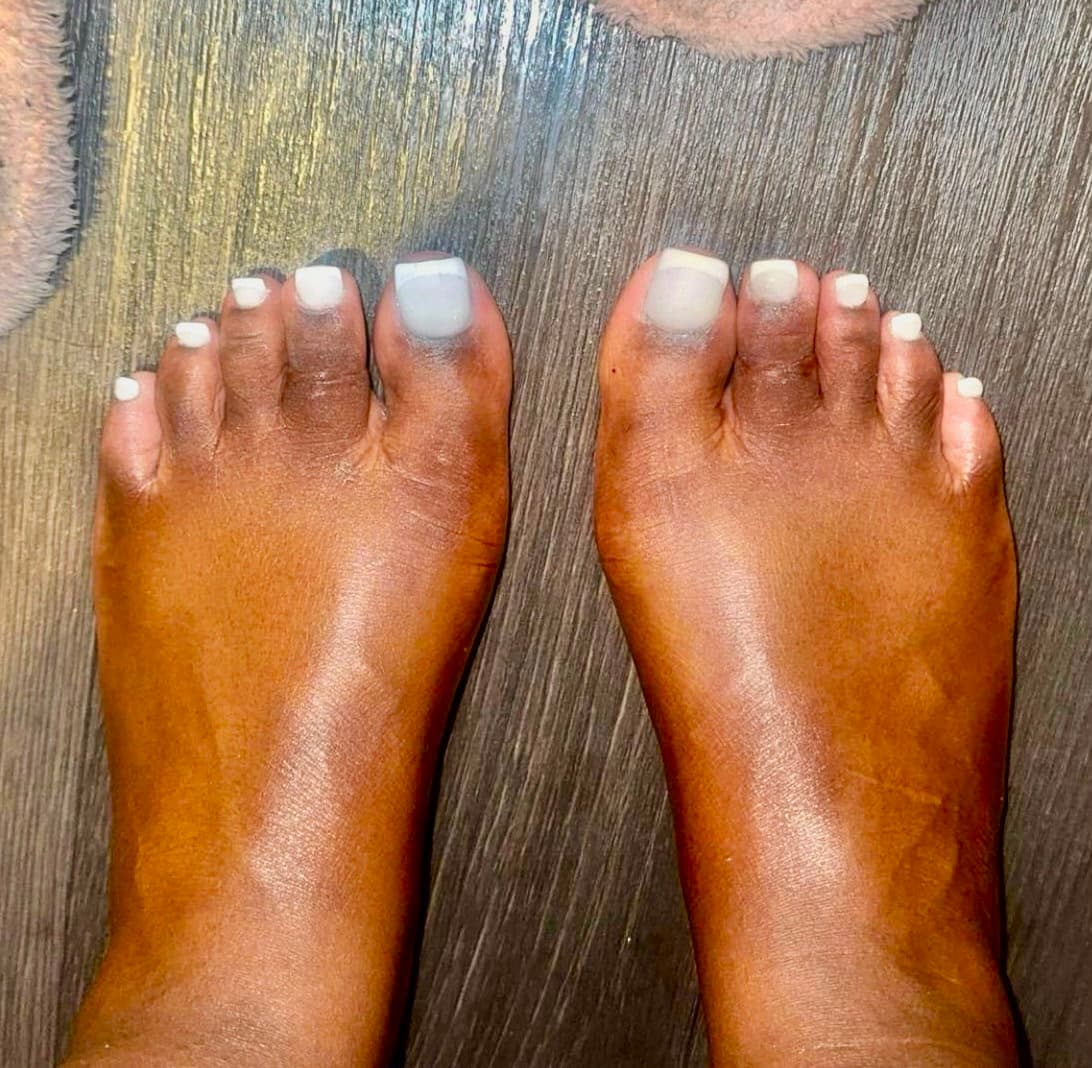
Visible hammertoe deformity with the toe permanently bent at the middle joint
After Surgery
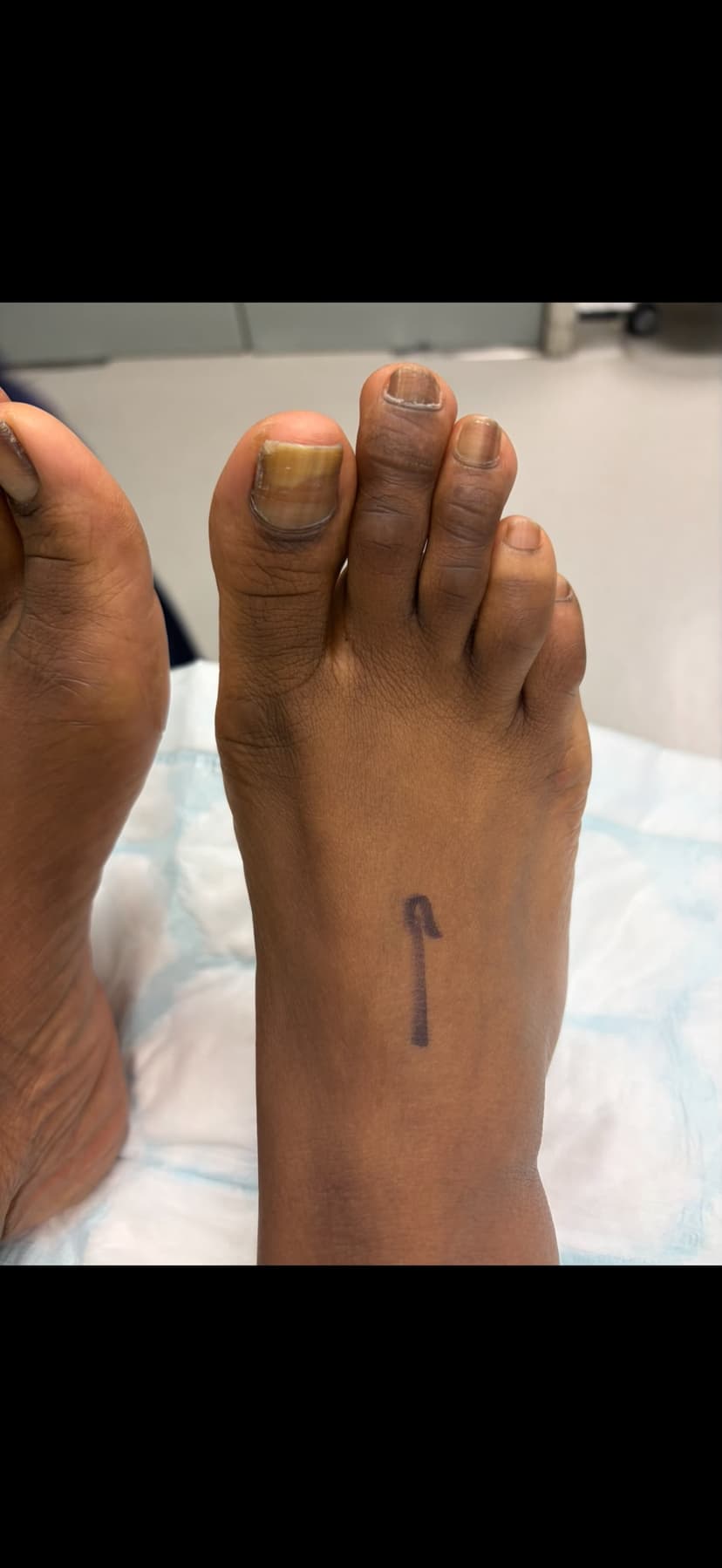
Toe permanently straightened with normal alignment restored
After Surgery
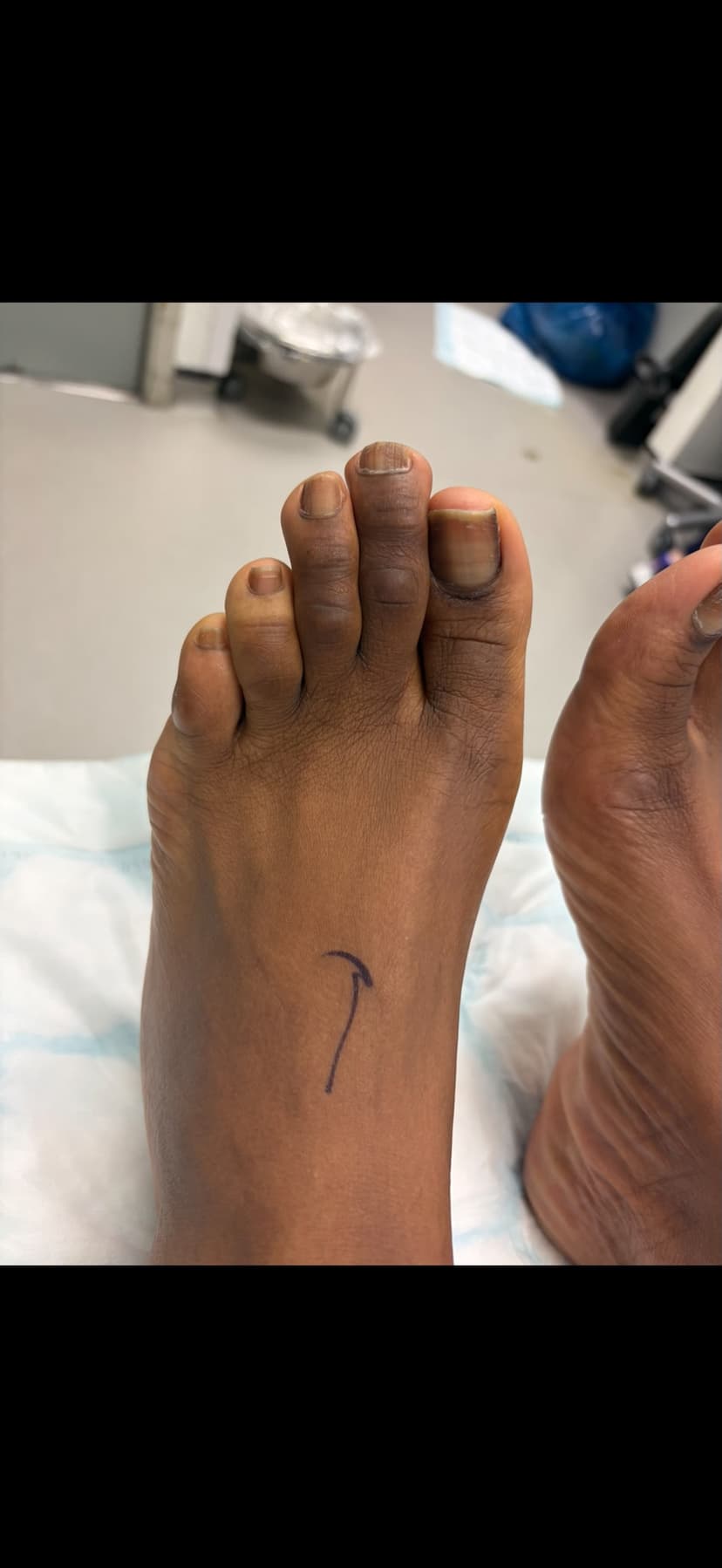
Healed foot showing natural toe alignment and normal appearance
Treatment Options
Conservative Treatment
Temporary symptom management for early-stage cases
For flexible, early-stage hammertoes, conservative measures might temporarily ease symptoms. These include special padding, toe splints, and properly fitted shoes with adequate toe box space.
However, these approaches do not correct the underlying deformity. They only mask symptoms. Once a hammertoe becomes rigid or symptoms significantly affect your quality of life, surgery is needed for permanent relief.
Hammertoe Surgery
Permanent correction and lasting relief
Surgery permanently corrects the hammertoe deformity and relieves pain. The procedure straightens the toe by rebalancing the muscles and tendons that control it. The results are permanent and natural-looking.
Most patients see immediate improvement in pain, dramatically better footwear options, and restored ability to enjoy normal activities. Recovery is quick, with most patients returning to normal activities within 4-6 weeks.
The Surgical Procedure Explained
Hammertoe surgery is a straightforward procedure designed to permanently correct the toe deformity. We use advanced surgical techniques to rebalance the muscles and tendons, straighten the toe, and sometimes remove bone if needed.
Arthroplasty (Most Common)
The Procedure
An incision is made over the top of the toe, and a small section of bone is removed from the joint at the bend. This allows the joint to flex and straighten. The tendons are then rebalanced and often shortened to keep the toe in the correct straight position.
The procedure takes approximately 20-30 minutes. You feel no pain due to local anaesthetic, though you'll be aware of pressure and vibration. Once complete, we apply a protective dressing.
Why This Works
By removing bone and rebalancing tendons, we address the root cause of the deformity. The toe can now extend properly and remain straight. This is the most effective method for permanent hammertoe correction.
Success Rate: 95%+ for permanent toe straightening with complete pain relief and normal function restored.
Fusion (Arthrodesis)
The Procedure
For severely rigid or recurrent hammertoes, fusion may be recommended. This procedure involves removing the joint surface and fusing the bones together permanently in the correct straight position. A small wire or implant may be used temporarily to hold the toe straight during healing.
While this sounds more dramatic, it's actually very effective for severe cases. The toe becomes permanently straight and remains that way. You don't lose functional movement—the toe still works normally; it just stays properly aligned.
Recovery Timeline
Weeks 1-2
Rest and protection. Minimal walking. The fusion is beginning to set. Pain is well-controlled with standard pain relief.
Weeks 3-6
Gradual return to normal activities. Bone is fusing. Swelling reduces significantly. Return to work and light exercise.
Weeks 6-12
Complete healing and fusion. Full return to all activities including sports. The toe is permanently corrected and stable.
Success Rate: 98%+ with permanent correction and no recurrence. Reserved for severe or recurrent cases where other methods might fail.
Which procedure is right for you?
During your consultation, we thoroughly assess your hammertoe—its severity, rigidity, whether it's affecting one or multiple toes, and your specific goals. Most first-time hammertoe cases are successfully treated with arthroplasty. Severe or recurrent cases may benefit from fusion. We'll explain the best option for your situation and answer all your questions.
What to Expect During Your Appointment
Initial Assessment
We examine your feet, assess the severity and flexibility of the hammertoe(s), and take X-rays if needed. We discuss your symptoms, how the deformity has affected your life, and your goals for treatment.
Procedure Discussion
We explain the recommended surgical approach, what happens during surgery, recovery expectations, and answer all your questions. You'll understand exactly what to expect.
Local Anaesthetic
On surgery day, we apply local anaesthetic to numb the toe completely. You'll feel a small injection, then complete numbness within moments. This usually takes 5-10 minutes.
The Surgery
We carefully perform the procedure to straighten your toe. You feel pressure and vibration but no pain. The entire surgery takes 20-30 minutes. We work efficiently to minimise time under anaesthetic.
Dressing and Discharge
We apply a protective dressing and sometimes a protective shoe or boot. You receive detailed aftercare instructions for the first week. You go home the same day and can return to normal activities quickly.
Recovery & Aftercare
First Week
Keep the toe protected and dry. You can walk normally immediately—we provide a protective shoe to wear. Most pain is well-controlled with over-the-counter pain relief. The main focus is keeping the surgical site clean and protected. Avoid water exposure for the first week (no baths or swimming).
You can return to work and perform normal daily activities. Many patients are surprised at how quickly they feel better.
Weeks 2-3
Healing progresses rapidly. Swelling and any mild discomfort decrease. You can gradually increase your activity level. Light exercise and normal walking are fine. Avoid high-impact activities like running or jumping. Begin wearing regular shoes if comfortable.
By week 3, most patients feel dramatically improved and can resume most normal activities.
Weeks 4-6
Complete healing is typically achieved. The toe looks and feels normal. You can resume all activities including sports, gym, and high-impact exercise. The problem is permanently resolved. Most patients feel completely back to normal by week 6.
You can now wear any footwear comfortably and participate in all activities without limitation.
Key Recovery Success Tips
- Keep the surgical site clean and dry during healing
- Use the protective shoe we provide for the first 2-3 weeks
- Gradually increase activity rather than pushing too hard too fast
- Attend all follow-up appointments so we can monitor healing
Stop hiding your feet and avoiding activities. Get permanent hammertoe correction and return to the life you want.
Book Your ConsultationDuring your consultation, we'll assess your hammertoe and recommend the best surgical approach for your situation. We're transparent about costs and recovery expectations.